In October 2007, Merrill Lynch declared a $7.9 billion write-down due to their substantial dependence on mortgage-based collateralized debt obligations, trading partners’ loss of confidence in their solvency and a dubious ability to refinance money market obligations.[1] By September 2008, Bank of America had agreed to purchase Merrill Lynch for 0.8595 shares of Bank of America common stock for each Merrill Lynch common share.
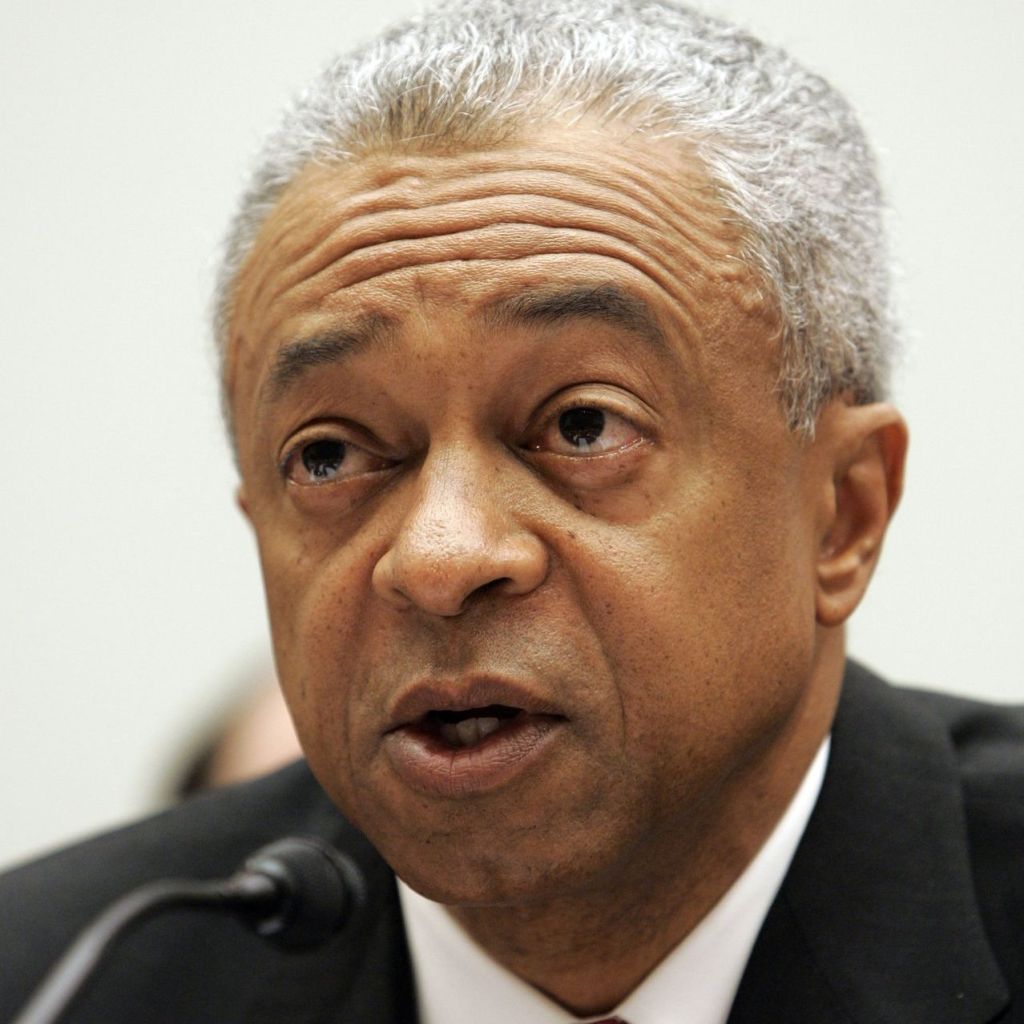
This post will explore the leadership of CEO Stanley O’Neal and the extent to which his poor leadership decisions contributed to the 2008 crisis and sparked the sale of Merrill Lynch. By 2000, O’Neal was leading Merrill Lynch’s brokerage department as a result of his bold and proactive business initiatives. Despite his aggressive strategies, increasing respect amongst peers led to his appointment as Chief Operating Officer in 2001, making him the first African American leading a major Wall Street firm.
The CDO Market
Following O’Neal’s initial success and highly impactful proposals, his problems began with increased involvement in synthetic collateralized debt obligations (CDOs) consisting of pools of loans and credit default swaps. These complex products were originally developed by a team at J.P. Morgan in 1997 with the goal of reducing risk when loans were made to top-tier corporate borrowers.[2] Merrill Lynch’s increasing involvement in CDOs produced record earnings in the first quarter of 2007 facilitating O’Neal’s long-term obsession with beating Lehman Brothers, Goldman Sachs and Bear Stearns in profit growth.[3] As the year went on and the CDO market notoriously fell apart, other banks began to reassess their position. Meanwhile, Merrill Lynch became the largest underwriters in this product entailing a buying spree of 23 major residential and commercial mortgage-related companies.[4] Joseph Heller has approached the pattern of continuity in business operations from a psychological perspective arguing for the existence of a ‘powerful pressure individuals feel to appear consistent with certain prior commitments … the need to be consistent is ingrained in human nature’.[5] Therefore, instead of being adaptable, O’Neal was guided by Merrill Lynch’s commitment to the CDO market and failed to identify the urgent call for change other Wall Street firms were swiftly reacting to.
Leadership Style
O’Neal’s leadership style has attracted a variety of criticisms due to his ruthless nature, tendency to ignore the opinions of others, poor hiring decisions and detached persona. Alongside a lack of adaptability, O’Neal allowed his personal obsession with overthrowing Goldman Sachs to dominate CDO decisions and triggered his fearless appetite for risk. This insatiable hunger for increased profit margins required the meticulous reduction of expenses. While risk-taking is an essential and irrefutably inevitable aspect of the industry, had O’Neal welcomed the expertise of others Merrill Lynch’s over-exposure may have been prevented. O’Neal’s rash risk-taking can be recognized in his early leadership decisions encompassing an initial strategy of laying off 10,000 employees, disrupting the organizational culture and attempting to transform the entire business model.[6]
The inclination for O’Neal to trust solely his own judgement is illustrated through his personal selection of new executive team members who were usually close friends as opposed to objectively selecting qualified candidates. This pattern proved to be catastrophic for the future of Merrill Lynch and had detrimental consequences. The appointment of Ahmass Fakahany as co-president is a prominent example during his position overseeing the internal CDO team, credit and risk management. Prior to the position, Fakahany had contributed to administrative functions including human resources and computer systems. O’Neal overlooked this evident lack of experience in the securities industry due to his preference for subordinates who failed to offer opinions or oppose his decisions.
Consequences
The amalgamation of O’Neal’s poor decisions came to a head as the mortgage market faltered. The unregulated nature of CDOs had allowed questionable assets to be passed off as higher-quality goods which resulted in a false sense of security for banks and investors.[7] This false sense of security was illustrated clearly by the concerns of North Fork Bank who met with Stanley O’Neal on various occasions but were fearful that ‘there was a distinct possibility that they didn’t understand fully they own risk profile’.[8] Once O’Neal became aware of the catastrophic nature of Merrill Lynch’s problems, he set about trying to find solutions alone as opposed to consulting the board. Following the proposal of various mergers, the board discovered he had been including a separation package of $250 million if he was not permitted to lead the newly formed firm. Subsequently, O’Neal was forced into retirement in 2007 taking equity profits worth over $160 million.[9] Following the merger with Bank of America, Merrill Lynch continued to operate within wealth management before subsequent integration into BoA Securities.
[1] Joseph Heller, “Through Thick and Thin and Changing Data: The Innate Influence of Prior Predictions on Corporate Disclosures”, Securities Evaluations (2018) p.11.
[2] Gretchen Morgenson, Reckless Endangerment: How Outsized Ambition, Greed, and Corruption led to Economic Armageddon (Times Books, 2011) p.30.
[3] Gretchen Morgenson, Reckless Endangerment: How Outsized Ambition, Greed, and Corruption led to Economic Armageddon (Times Books, 2011) p.33.
[4] Kimberly Hardy, “Analysing Leadership Decisions: Stanley O’Neal and Merrill Lynch”, International Research Journal of Marketing and Economics (2016) p.33.
[5] Joseph Heller, “Through Thick and Thin and Changing Data: The Innate Influence of Prior Predictions on Corporate Disclosures”, Securities Evaluations (2018) p.3.
[6] Kimberly Hardy, “Analysing Leadership Decisions: Stanley O’Neal and Merrill Lynch”, International Research Journal of Marketing and Economics (2016) p.31.
[7] Kimberly Hardy, “Analysing Leadership Decisions: Stanley O’Neal and Merrill Lynch”, International Research Journal of Marketing and Economics (2016) p.30.
[8] Kimberly Hardy, “Analysing Leadership Decisions: Stanley O’Neal and Merrill Lynch”, International Research Journal of Marketing and Economics (2016) p.30.
[9] John Nirenberg, “A Multifaceted View of CEO Compensation and Performance: A Case Study”, Journal of Social Change (2018) p.53.

